The Illusion of 10x Productivity: Why More Code Often Means Less Progress
Generative AI promises us a paradise of so-called “10x developers”. Keyboards no longer need to run hot; code now flows seamlessly from the prompt straight into the IDE. Yet what management celebrates as a massive productivity boost often turns out to be a deceptive illusion in everyday engineering. We are confusing sheer quantity with real architectural value.
Thanks to AI, generating code has become extremely cheap. But the real cost of software development has never been in its creation alone – it has always been in maintenance. We are on the brink of a dangerous development: producing legacy code at unprecedented speed.
The Code Factory Without Quality Control
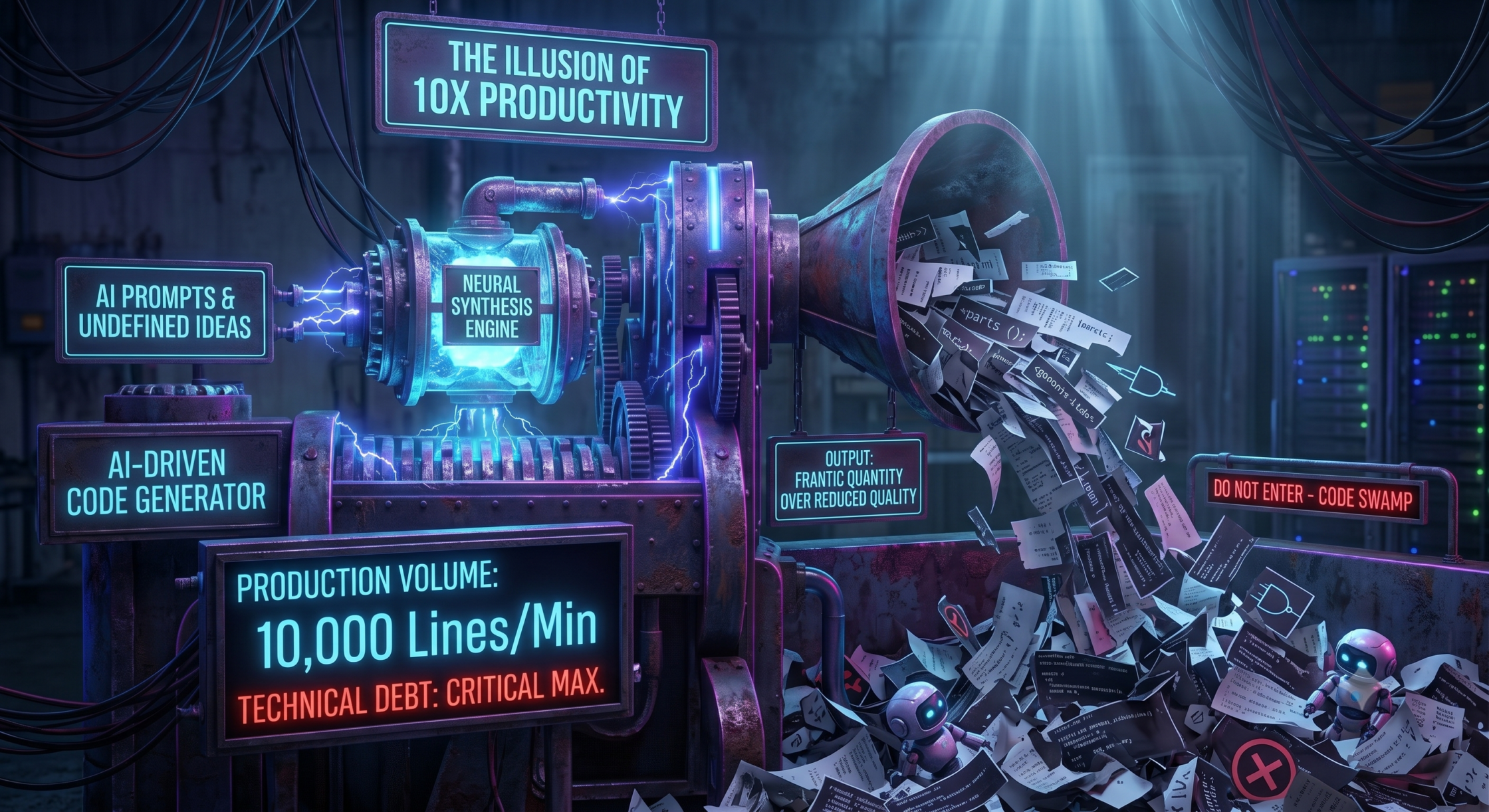
AI assistants churn out boilerplate, complex blocks of logic and entire classes in fractions of a second. Suddenly, we are running a code factory whose production line is at full speed while final inspection falls hopelessly behind. When 1,000 lines of code appear in a minute, there is barely time to ensure sound design or adherence to Clean Code principles.
Who checks the subtle dependencies? Who makes sure the generated module fits the wider enterprise architecture? Often, nobody does: output is simply too high, and the pressure to close tickets is even higher.
1,000 Generated Lines Are 1,000 Lines of Technical Debt
The uncomfortable truth of software architecture is this: every line of code is a mortgage. It must be maintained, tested, understood by others and revisited during future refactoring. If machine assistance increases our output tenfold, it can potentially increase our technical debt tenfold as well.
Legacy code is no longer merely the result of years of gradual erosion as development teams change. An overenthusiastic copilot can now create it in a single afternoon. What looks like rapid “feature velocity” on paper is often just an acceleration of our own descent into the maintenance swamp.
The Shifting Bottleneck
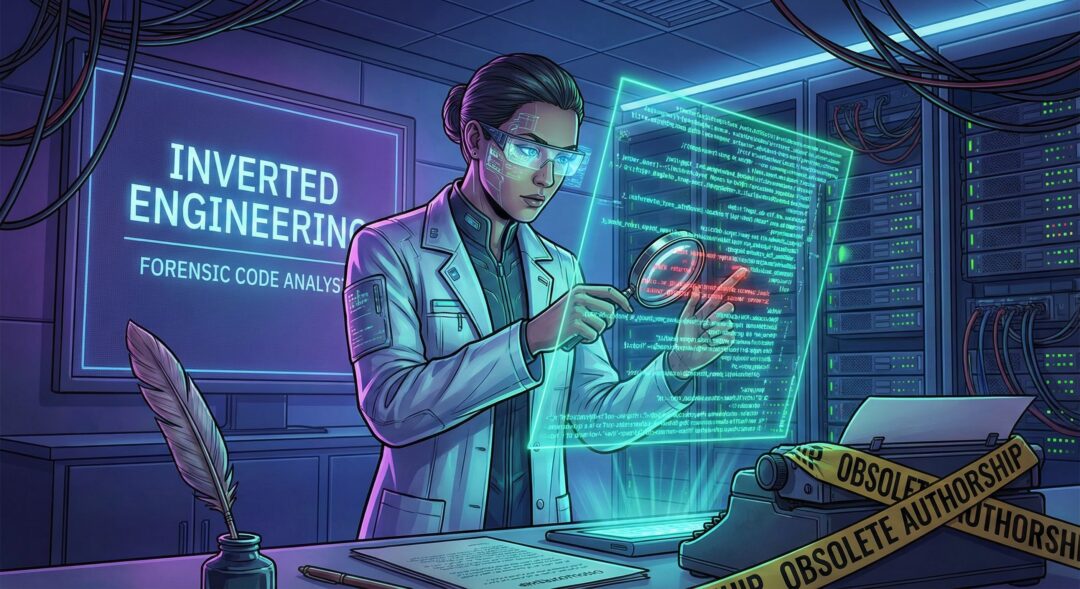
The bottleneck in professional software development has never been merely typing commands. It has been thinking, structuring systems in our minds and debugging complexity. AI has almost eliminated typing, but in doing so it has only made the real bottleneck more painful.
We now spend less time writing code and far more time reading, analysing and correcting unfamiliar code generated by a machine. Every senior developer knows that reading and understanding code is cognitively much harder than writing it yourself. The bottleneck has simply shifted from production to verification.
Conclusion: The Value of Reduction
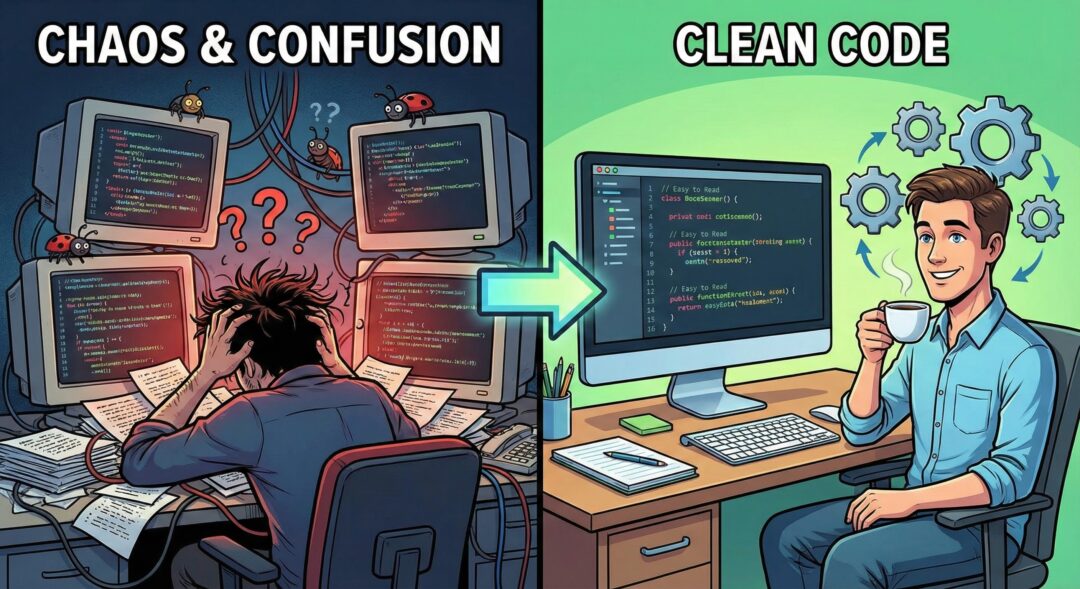
True productivity is not measured in lines of code. It is measured in reduced complexity, robust systems and enduring architectures. An excellent developer solves problems elegantly with as little code as possible.
Tomorrow’s synthetic architect is not an assembly-line worker who blindly waves through an AI’s output. They are a critical gatekeeper who thinks economically and understands that the best code is often the code that never gets written.